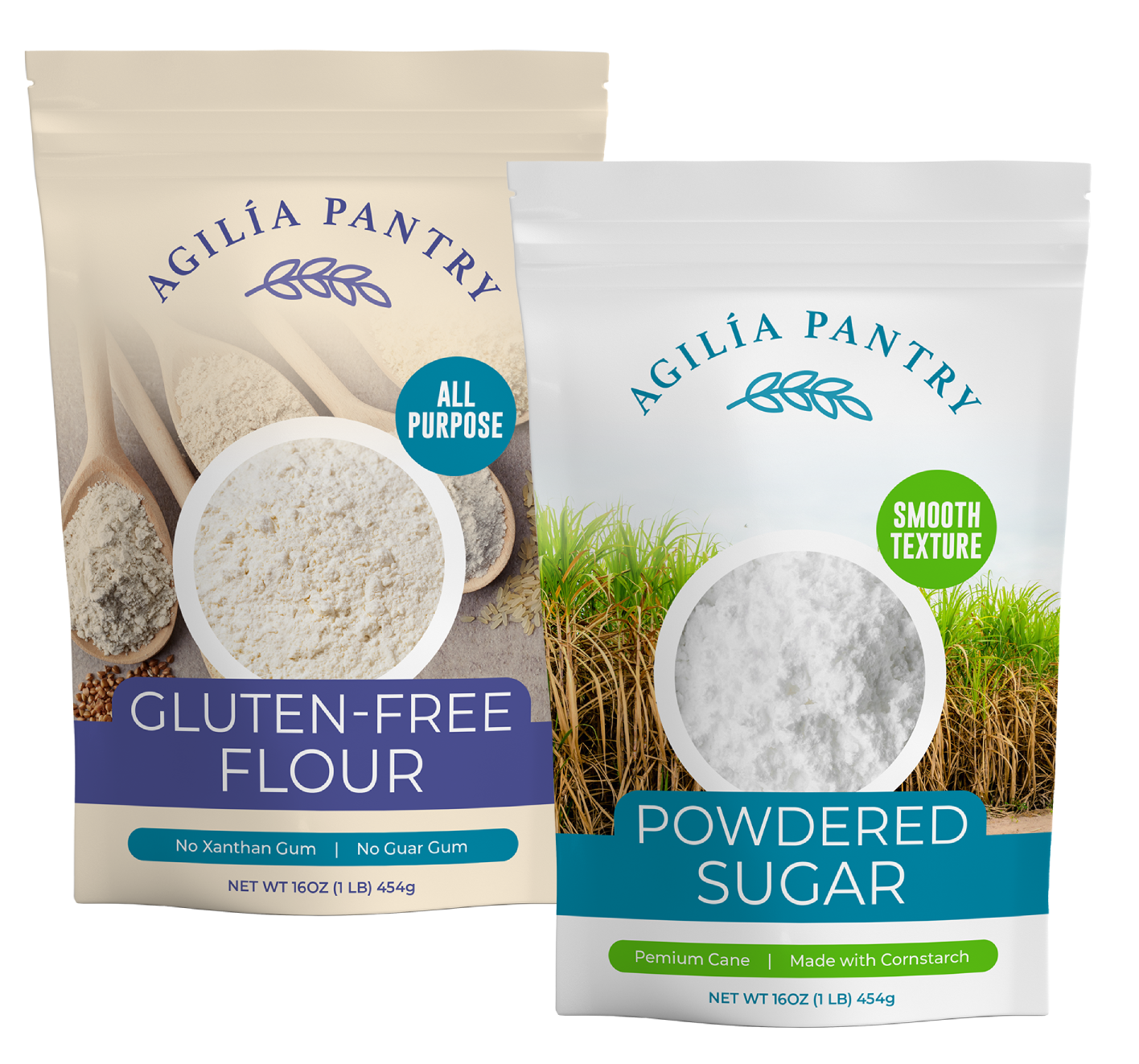
For generations, flour and sugar have come home from the grocery store in familiar paper bags. For many of us, those packages are part of our earliest kitchen memories—measuring flour with a parent or grandparent, baking holiday cookies, making a birthday cake, or learning a treasured family recipe.
The products are deeply tied to tradition, but the packaging itself has changed very little. Consumer expectations have.
Paper has long been an affordable packaging choice for pantry staples, but it comes with significant performance limitations. It is permeable to moisture and humidity, susceptible to tears and punctures, difficult to reseal, and anyone who has spilled flour across a kitchen counter knows it’s often messy once opened. That same permeability can allow mold to develop inside the bag, sometimes unnoticed until the consumer opens it.
Today, shoppers expect packaging to protect products, survive distribution, store cleanly, open easily, and reseal after use. In many food categories, packaging has evolved around those expectations.
Flour and sugar may be ready for the same shift.
What About Plastic?
At a time when brands are under pressure to reduce plastic, moving a pantry staple from paper to flexible packaging may seem counterintuitive. But sustainability decisions are rarely as simple as choosing paper over plastic.
Material use, transportation efficiency, product protection, food waste, and end-of-life all contribute to a package’s environmental impact. A flexible structure can use relatively little material while providing the barrier and durability needed to protect the product throughout its life.
That doesn’t eliminate the end-of-life challenge facing flexible packaging. Recycling infrastructure continues to evolve, making it important for brands to evaluate both package performance and realistic recovery options when selecting a structure. It should be to use the least amount of material necessary to protect the product, perform through the supply chain, and deliver the experience consumers expect.
Better Protection for What’s Inside
Flour readily interacts with its environment. Changes in humidity and moisture can affect product quality, while exposure to air, odors, and contaminants can shorten shelf life. Sugar is equally sensitive to moisture, which can contribute to hardening and clumping.
A properly engineered flexible package creates a stronger barrier against these outside elements. Moisture-resistant films and tight seals can help maintain product quality throughout distribution, on the retail shelf, and after the package reaches the consumer’s pantry.
Flexible packaging also provides another important layer of protection against pantry pests. Traditional paper offers relatively little resistance once insects find their way to a package. A strong, properly sealed flexible structure creates a far more effective physical barrier between the product and its surroundings.
Less Flour on the Counter; More Convenience in the Pantry
There is also the everyday consumer experience. Traditional paper bags frequently require consumers to transfer flour or sugar into another container to keep it fresh and contained between uses.
A stand-up pouch with a press-to-close zipper changes that experience. Consumers can open the package, measure what they need, reseal it, and return it to the pantry.
That combination of cleaner storage, easier handling, resealability, and product protection brings an old-fashioned pantry staple into line with the convenience consumers already expect from many other food categories.
An Opportunity to Reinvent the Shelf
Moving from paper to flexible packaging isn’t only a functional upgrade. It gives established brands and emerging competitors an entirely new canvas.
High-resolution graphics, distinctive finishes, transparent windows, and stand-up formats can create considerably more shelf presence than a traditional paper sack. Recycle-ready structures can also help brands address growing sustainability expectations while maintaining the barrier and durability required for dry food products.
For brands willing to make the transition now, there is an opportunity to change what shoppers expect from the category and build preference around a package that is easier to buy, carry, store, use, and reseal.
“Flour and sugar are naturally moisture-sensitive, which is exactly why they respond so well to flexible packaging,” said Trung Nguyen, Kendall Packaging’s Director of Technical and Quality. “The real question for manufacturers isn’t whether a pouch will outperform a paper bag. It’s choosing the right barrier film and seal design for their specific product and production line.”
The Product Can Stay Traditional as the Package Moves Forward
Consumers aren’t asking flour and sugar companies to change what these products mean to them. Baking traditions, family recipes, and favorite brands can remain exactly where they belong. But the package protecting those products can do considerably more.
Kendall Packaging works with dry food manufacturers to develop flexible packaging structures engineered around product protection, seal performance, production requirements, and the consumer experience. Our capabilities include high-performance barrier films and preformed stand-up pouches with options such as reclosable zippers, hermetic seals, recycle-ready materials, and high-impact graphics.
If your brand is considering moving a traditional dry food product from paper to flexible packaging, Kendall can help evaluate the right structure, format, and features for your product and production line.
Let’s talk about what the next generation of your package could look like.