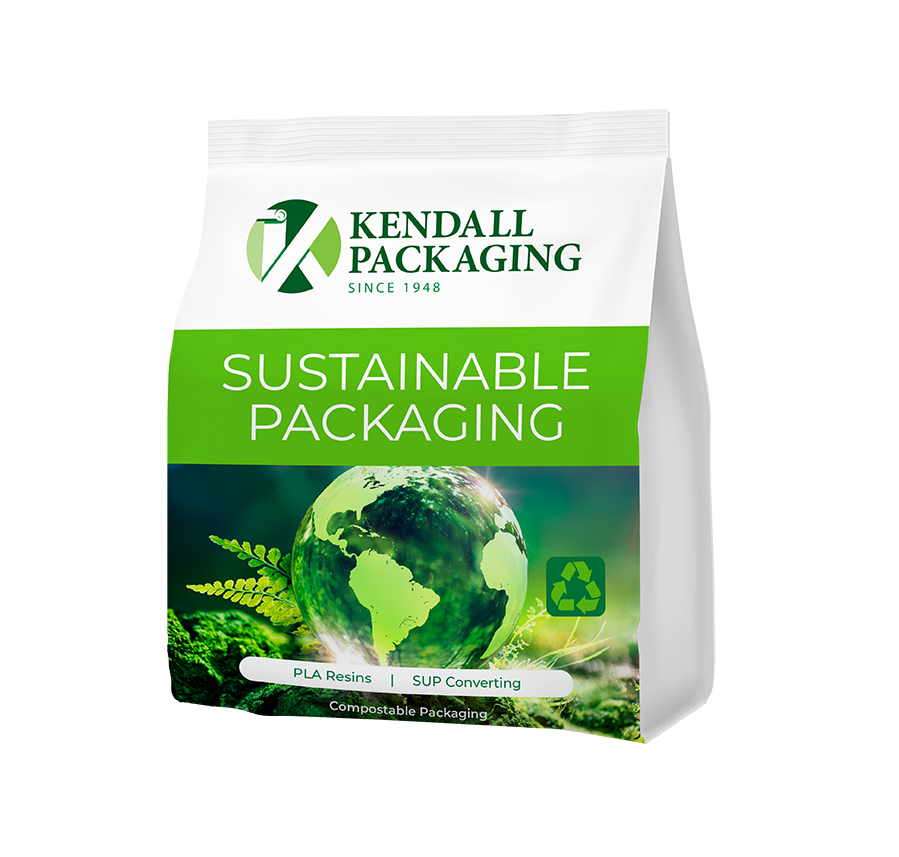
For mid-size manufacturers, sustainable packaging is no longer a future consideration. It is becoming a practical business priority shaped by consumer expectations, retail requirements, brand goals, and evolving legislation.
Many companies are being asked to reduce plastic, improve recyclability, and demonstrate progress toward a more circular packaging model. At the same time, they still need packaging that performs well, protects the product, runs efficiently, and looks strong on the shelf.
That is where sustainable flexible packaging can make a meaningful difference.
Reducing Plastic Without Sacrificing Performance
Recycle-ready flexible packaging, including stand-up pouches, can help manufacturers reduce plastic use while maintaining the functionality consumers expect. Compared to many rigid packaging formats, flexible packaging often uses less material, requires less space in transportation and storage, and reduces overall packaging weight.
For food, beverage, pet care, personal care, and industrial products, this matters. A lighter, efficient package can help reduce waste while still delivering the barrier protection, shelf stability, and usability required for today’s products.
Stand-up pouches are a strong example. They offer convenience, shelf presence, resealability, and brand impact, while also supporting plastic reduction goals when designed with the right material structure.
Supporting Retail and Consumer Expectations
Retailers and consumers are paying closer attention to packaging. Many retail partners are encouraging suppliers to move toward packaging that is recyclable, recycle-ready, made from recycled or post-consumer recycled (PCR) films, or designed with source reduction in mind. Consumers are also looking for brands that make sustainability easier to understand and participate in.
Clear recycling communication can help. The How2Recycle label provides standardized on-package disposal instructions for consumers in the U.S. and Canada and is designed to reduce confusion around what to do with packaging after use. How2Recycle labels include designations such as Widely Recyclable, Check Locally, Store Drop-off, and Not Yet Recyclable.
For brands, this type of labeling can support transparency, improve consumer confidence, and show that packaging decisions are being made with end-of-life considerations in mind.
Sustainability Still Needs Shelf Appeal
Sustainable packaging does not have to look plain or compromise brand presence. In fact, sustainable flexible packaging can create a powerful visual advantage.
High-resolution graphics, strong color control, matte or gloss finishes, clean product messaging, and well-designed pouch formats can help products stand out in competitive retail environments. For mid-size manufacturers, that matters. Packaging is often one of the most important tools a brand has to compete with larger national brands. A well-designed sustainable package can communicate quality, innovation, and responsibility.
Less Waste to Landfill
Plastic reduction goals are not only about using less material. They are also about designing packaging that better fits into a circular economy.
Recycle-ready packaging structures can help reduce packaging waste sent to landfill when they are properly designed, labeled, collected, and processed. While recycling infrastructure varies by market, moving toward more recyclable and clearly labeled formats is an important step for manufacturers seeking to improve packaging sustainability.
These decisions can also help companies prepare for a changing regulatory environment.
Understanding California SB 54 and What It Means for Packaging
California SB 54, the Plastic Pollution Prevention and Packaging Producer Responsibility Act, is one of the most important packaging regulations manufacturers are watching. CalRecycle describes SB 54 as an extended producer responsibility program for packaging and single-use plastic food service ware, shifting more responsibility for packaging end-of-life management to producers.
California’s program includes major goals by 2032, including reducing single-use plastic packaging, increasing recycling rates, and ensuring covered packaging is recyclable or compostable. For manufacturers selling into California, this reinforces the importance of understanding packaging materials, recyclability, reporting requirements, and long-term reduction strategies.
“Regulations like SB 54 are moving targets, and our job is to make sure customers aren’t caught off guard,” commented Trung Nguyen, Director of Technical and Quality. “We track these changes closely and build packaging solutions that meet requirements today while remaining prepared to adapt and develop new solutions as the rules evolve.”
Kendall Packaging Can Help Manufacturers Move Forward
For mid-size manufacturers, the path to sustainable packaging does not have to be overwhelming. The right packaging partner can help evaluate product needs, barrier requirements, filling equipment, graphics, retail goals, and sustainability objectives together.
Kendall Packaging works with customers to develop flexible packaging solutions that support performance, brand impact, and plastic-reduction goals, while also meeting regulatory and government requirements. From recycle-ready stand-up pouches to high-quality printed rollstock film and custom flexible packaging structures, Kendall helps manufacturers make smart packaging decisions that align with the market.
Sustainability is not a one-size-fits-all solution. It is a process of choosing the right structure, format, and message for the product and the brand. For more information about sustainable flexible packaging options, recycle-ready materials, and stand-up pouch formats, visit Kendall Packaging online or contact our team to start a conversation.